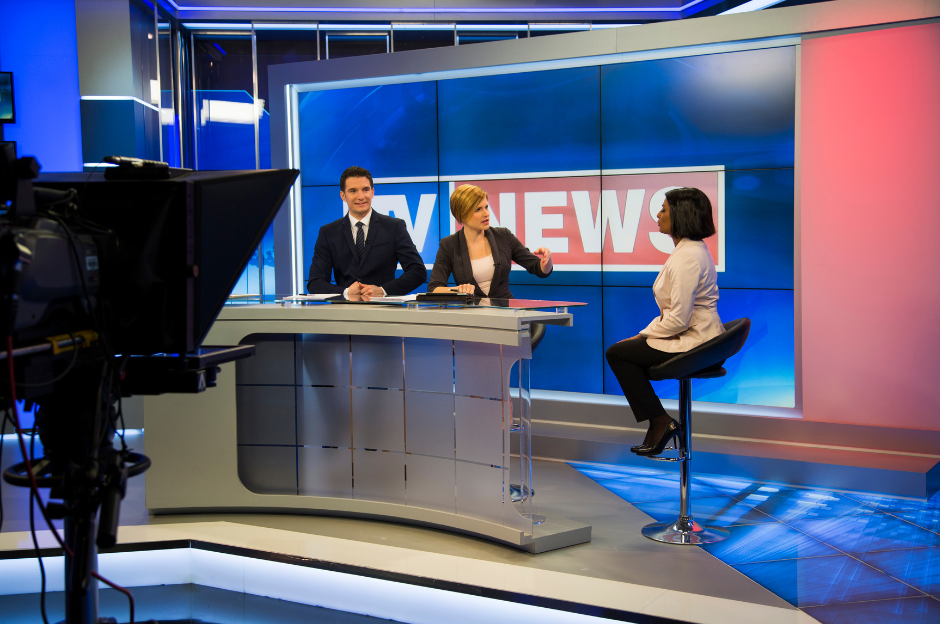
Conducting interviews for journalism can be a challenging task that requires a certain level of expertise and preparation. The success of an interview depends on several factors, including the journalist’s experience and skills, the interviewee’s nature, and the interview’s purpose.
Journalists must clearly understand the subject they are covering and the importance of the interview to their readers or viewers. They need to prepare relevant questions to help them get the information they need from the interviewee. Journalists should also be skilled in active listening, which means they should be able to hear and understand what the interviewee is saying and ask follow-up questions to clarify any points that are unclear.
The interviewee plays a crucial role in the success of the interview. Depending on their personality, they can be cooperative or uncooperative, affecting the quality of the information obtained during the interview. Therefore, journalists must establish a good rapport with the interviewee, make them feel comfortable, and build trust.
Interviews for journalism require careful planning, preparation, and execution. By following the right approach, journalists can ensure that the interview is a valuable learning experience that yields relevant and reliable information for their readers or viewers. It allows journalists to create extensive texts that cover a wide range of topics. Interviews provide valuable insights into specific historical periods and help determine the dominant topics and issues relevant to the audience.

When I started conducting my first interviews, I was afraid I might miss something important or forget to ask the right questions. I found preparing an outline or a list of questions helpful to keep the interview on track. This ensured that I remained focused on the purpose of the interview and didn’t deviate from it.
I am grateful that everyone I have interviewed so far has been very kind, easy to work with, and a pleasure to interview. I understand that this might not always be the case, but I feel that in most cases if you approach your interview with a positive attitude and show respect towards the person you are interviewing, they are more likely to respond positively towards you.
When conducting an interview, there is always an opportunity to learn something new. By paying attention to the interviewee, you can gain valuable insights into their lives, personalities, and motivations. It can be an exhilarating experience to enter an interview with a specific focus and walk away with a completely different perspective you didn’t anticipate.
As I have conducted more and more interviews, I have noticed that the process has become easier for me. With each conversation, I have gained a better understanding of how to ask effective questions, how to actively listen to the interviewee, and how to make them feel comfortable and appreciated. This experience has given me the confidence to conduct interviews easily and professionally, allowing me to gather valuable insights and information from my subjects.
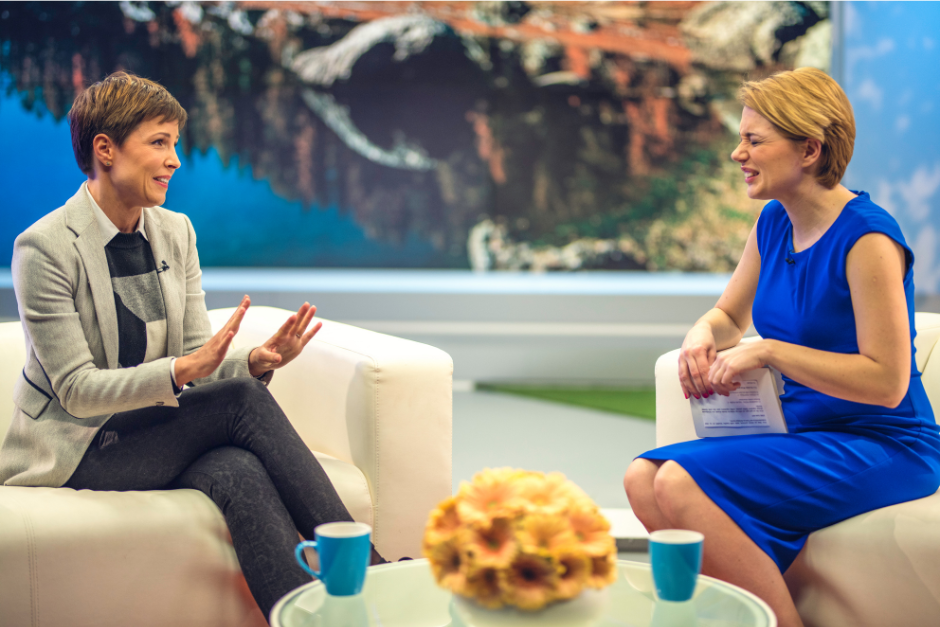
My favorite part of interviewing someone is building relationships with them. One of the things that I enjoy the most when conducting an interview is the opportunity to establish a meaningful connection with the person being interviewed. Getting to know their background, experiences, and unique perspectives allows me to develop a deeper understanding of who they are as an individual. Building a relationship based on mutual trust and respect is beneficial during the interview process and can lead to long-lasting professional connections that can be valuable in the future. Building strong relationships is key to creating a positive and productive career.

 Melanie DuBose