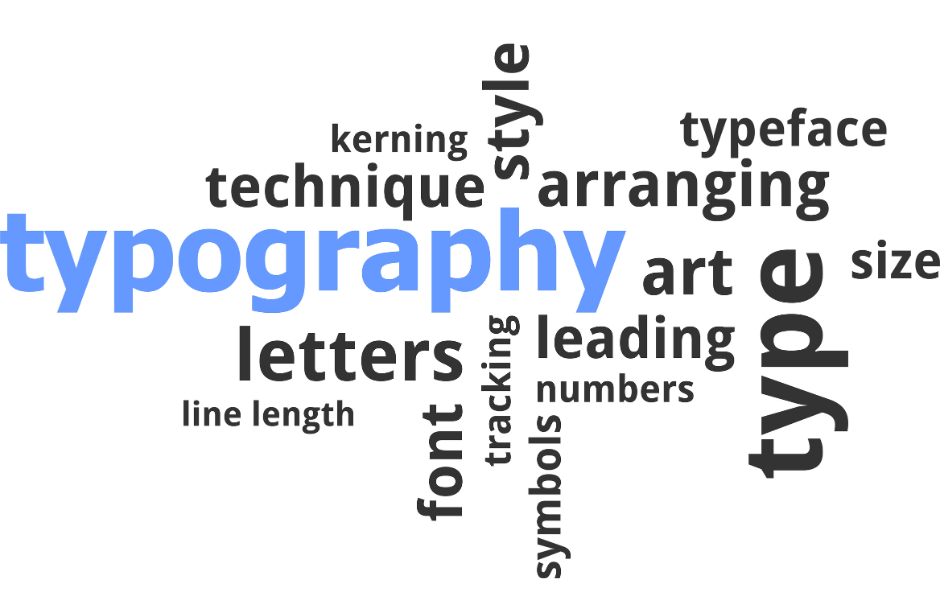
Typography refers to the art of arranging letters, words, and text to convey meaning. It is a tool that designers must master to communicate effectively. Typography is the art and technique of arranging words, letters, and text in a visually appealing and meaningful way. It involves using various font styles, sizes, spacing, and colors to create a hierarchy of information and convey a message to the reader. The purpose of typography in graphic design is to convey a message, evoke emotions, and create a sense of hierarchy and organization. It helps establish the tone and personality of a design and guides the viewer’s eye through the content. Typography can make or break a design, so it’s essential to understand its purpose and use it skillfully.
The field of typography is quite complex, and it can be overwhelming for beginners to understand. This is mainly because there are so many different typefaces and styles available to choose from. Each font has unique characteristics, such as weight, width, and slant, which can drastically change the look and feel of the text. Additionally, there are various formatting options to consider, such as line spacing, kerning, and tracking.

Accurate and Readable
No matter how beautiful a design, its message can be lost if the text is difficult to read. Not conveying your message clearly and effectively to your target audience defeats the purpose of graphic design. Choosing the suitable typeface, size, and spacing is essential for effective design. Different projects require different typography styles. Learn typography or hire a typographer to ensure that the text is legible, easy to read, and clear so your message is conveyed in the way you intended it to.
Visual Hierarchy
Creating a visual hierarchy in typography guides the viewer’s eye through the design and emphasizes essential elements. Various typographical techniques, such as size, weight, and spacing, can be used to create contrast and emphasis. For instance, using a larger, bolder font for headlines and a smaller, simpler font for body text can help highlight the most crucial information. Proper line spacing can enhance readability and create a sense of urgency.
Branding
Maintaining consistent visual language across various mediums and channels is essential for effective brand marketing. Typography is crucial in achieving this goal and is a key factor in branding. Selecting a suitable typeface can convey a lot about a brand and establish a distinctive identity and aesthetic. For instance, a sleek and contemporary sans-serif font could be ideal for a technology startup, whereas a traditional serif font may be more fitting for a legal firm.
Evoke Emotion
Typography has the power to evoke a range of emotions in the audience. Different typefaces can establish a specific mood or atmosphere. For instance, a playful font can be ideal for a children’s book, while a formal font can be more suitable for a business report. Understanding how to use typography to evoke emotions is essential in creating graphic designs that connect with your audience on an emotional level. This, in turn, inspires action from your audience.
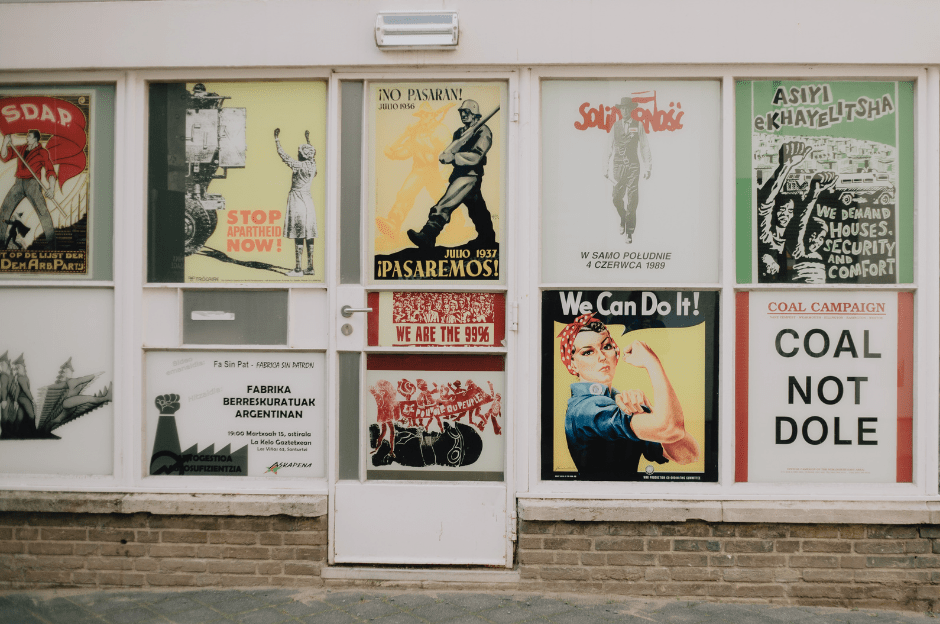
Typography plays a crucial role in graphic design, web design, advertising, and publishing. It helps to establish the tone and personality of a brand, enhance readability and legibility, and evoke emotions and reactions from the audience. Designers with a good understanding of typography can create compelling and engaging designs that effectively communicate the intended message.

 Melanie DuBose